Showing posts with label how to. Show all posts

Saturday, March 10, 2012

Tying it all Together

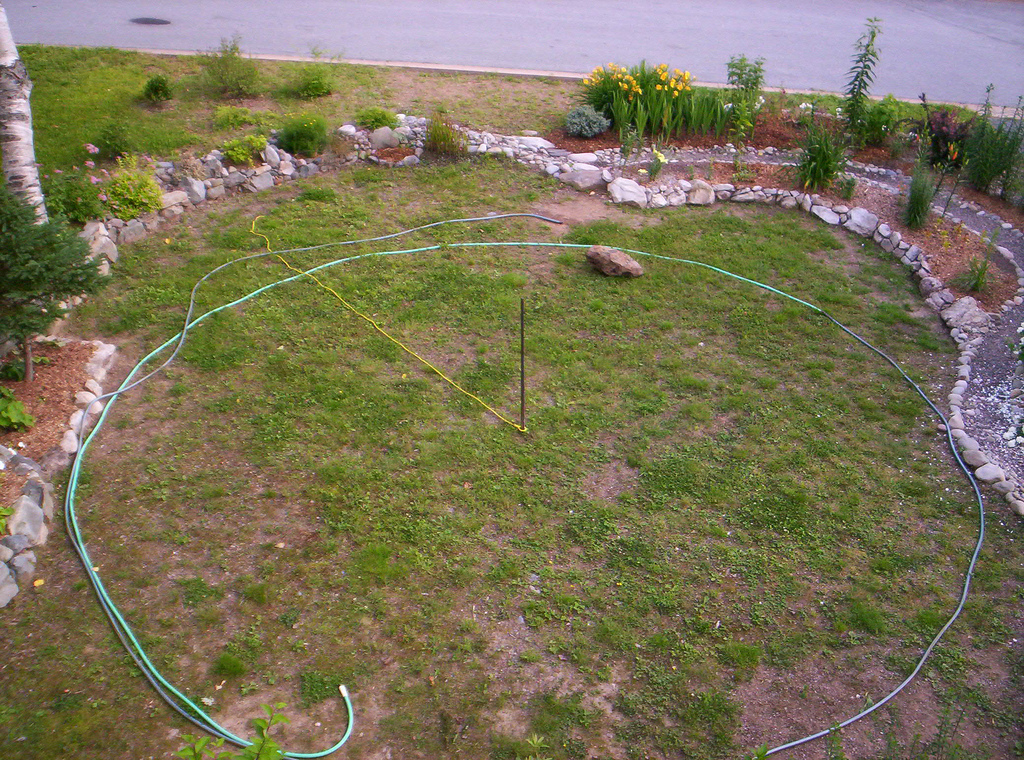
Our front yard was becoming a mishmash of gardens as we expanded to add new plants, so 3 years ago we decided to turn the whole thing into a garden, except for a 24' circle. We measured the circle using a metal stake and rope, then marked the whole thing with old hose hammered down with long nails.


front circle before
Kelly lugged in all the stones from back in the woods and lined them up along the hose. Then he dug out all the areas outside the circle to about 2' deep. Next came a big load of garden soil and, of course, plants. We preserve some larger sections at the front for dahlias and glads, which all have to be dug up and replanted yearly.

front circle after

Sunday, February 19, 2012

Organic Container Gardening

I love containers! They are one of my favourite things in the garden. I have been known to turn anything into a container and I continue to use all my broken pots to grow plants in. The more they are broken, the deeper they get placed.

Containers are easy to do organically. I start with an organic potting soil and add a little bit of my own compost, making sure to keep the mix light. Heavy soil will compact. Do not plant containers with soil from your garden. Garden soil is too heavy for containers and becomes compacted over the season with weather and time. Roots need oxygen.

The compost I add to the potting soil helps to feed the plants over the season but containers need to be fed regularly throughout the season as well. There are a lot of organic feeding options such as fish emulsion or seaweed extract. I use compost tea. It is easy and free to make by steeping my own compost for a few days in a covered bucket of water placed in the sun. The resulting tea can be used weekly to feed my containers.

In Saskatchewan, we have long, hot, hot, hot summer afternoons that make containers a challenge. It is very hard for containers to survive without daily watering. Daily watering makes me feel guilty about my garden so I have developed a two step trick for watering containers. Step one is heavy mulch. I use straw. It can look a bit messy in early spring but the plants will completely cover any mulch long before they are full grown. The mulch prevents evaporation from the top of the pot and helps keep the roots of the plants cool. Step two is to water completely through twice each time I water. When I water my containers, I water until the water is freely running out of the container bottom and then I move on to the next container. Once I have done them all, I do it once more. I go back to the start and water until the water runs through. This doubles the time the job takes each time I do it but it reduces the number of times I water from daily to once a week, with the exception of the very small containers that I toss water on with the watering can almost every time I walk by in the summer. This trick has allowed me to plant far more containers than I could have managed if I was watering every day or even every second day. I am a lazy gardener at heart. Watering daily would reduce the amount of time I have to smell the roses!

Friday, February 17, 2012

Think Outside the Box

There are a million uses for a box in my garden; compost bin, plant stand, tool box, temporary planter, wood carrier, branch holder, flower holder, harvest container, impromptu chair - the list goes on and on. Then there are all the things you can make with a box shape; raised beds, cold frames, garden art framing, fences, A-frame climbers, shelves, gates and much more. So imagine my delight in finding this Mother Earth News article on 'How to Make a Box', it is a basic article to make a basic box that you can use to build a multitude of things in your garden. See what you can come up with.

Thursday, February 9, 2012

Starting Seeds This Season?

I keep going back and forth on whether I am going to start seeds inside this year or not. I would rather not but we have such a short growing season, the list of what I can't grow is huge. I am still undecided but that can't last much longer - spring is coming!

If you are planning on starting seeds, there is a good article that contains a simple seed starting plan at Organic Gardening. It also has how to instructions for making your own seed starting mix and newspaper seedling pots.

Friday, February 3, 2012

Garden Time Saving

 
I came upon Organic Gardening's 11 Time Saving Tips and was going to post it here. Then, as I was reading, I realized that most of us have already heard we need to make a plan, pile on mulch and keep tools handy and close to the garden. The idea that was new for me was a good one though. It was wash your harvest in the garden. What a great idea! Saves bringing in all that dirt to the kitchen. They suggest you collect your harvest in an old laundry basket which will act as a strainer in your garden when you hose it down. This is definitely a great garden idea I am going to use. Thank you, Organic Gardening. It is always great to find new ideas I hadn't heard before - especially if they are going to save me time!

The other tip I found interesting was one I first discovered in Ruth Stout's Gardening Without Work. The tip was build soil in place. The idea is that you compost between rows all spring/summer and then dig in after harvest in the fall. Ruth advocated just planting in the between rows next year and build the soil where the vegetable rows were this year, next year. Ruth's garden philosophy, as advertised, was for the Aging, the Busy and the Indolent. I wish I would have met her. Her book is well worth the read and was published when she was 76 years old. She was a wealth of information and I have used many of her methods in my flower gardens. I must confess however, that I do not employ them all because I am rather fussy about the look of things in my flower gardens and no work does mean a bit of a messy looking garden. Beautiful, big, healthy flowers but messy overall with informal composted paths. This year, I plan to use all or most of her methods in my new kitchen garden. In my vegetable patch, paths are not required other than to walk on to weed and what it looks like is secondary to the harvest quality and size it is producing. Ruth and I are going to be great friends this season. I think I will go pull out her book now.
Wednesday, February 1, 2012

Tuesday, January 31, 2012

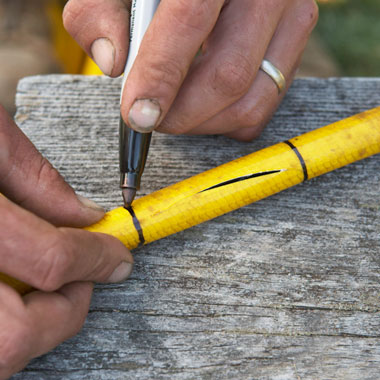
Technique: How to Repair a Hose


Click to link through to a good "how to" on the Organic Gardening website. If you are like me, there are lots of hoses around to repair. When the weather turns nicer for longer, I may have to make a day of it!